Industry Intel
Digging Deeper: Marisa Rodriguez’s Ancient Odysseys and the World of Citizen Science
June 15, 2023

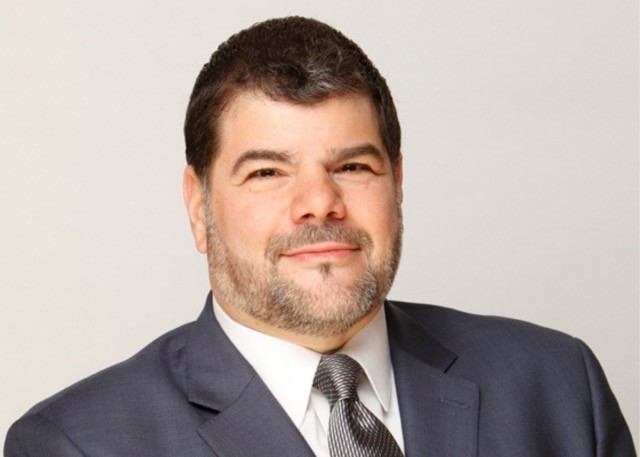
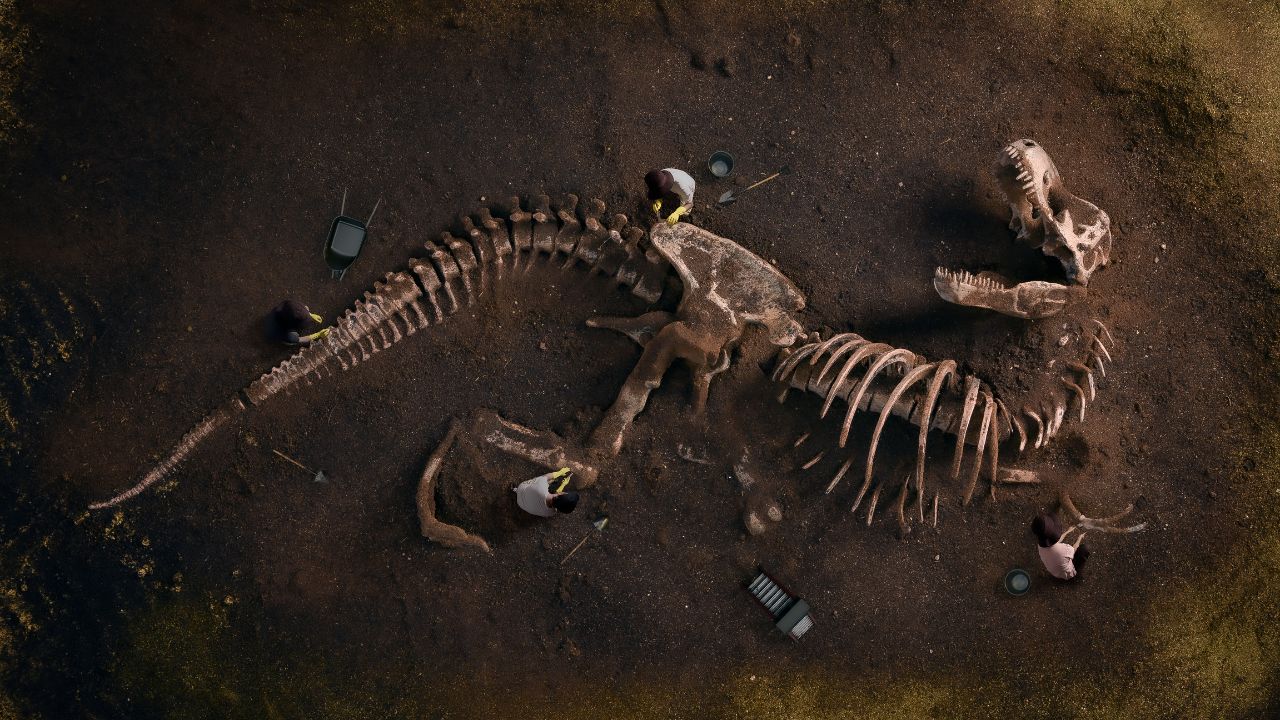
Buckle up as we journey into a world where travel and hands-on scientific discovery intertwine! In this episode, we're thrilled to welcome Marisa Rodriguez, founder of Ancient Odysseys, a unique travel adventure bridging the gap between science enthusiasts and archaeologists worldwide. Marisa shares her journey from her first dinosaur dig in Wyoming to coordinating global digs and creating unforgettable, meaningful experiences for participants. James, our anthropology aficionado, brings his insights to the table as we discuss the thrill, challenges, and social aspects of these adventures.
But there's more! Jessica Deverson, our trusted "deals guru," enlightens us about the emerging trends in adventure travel and expedition cruising. We explore fantastic deals from top-rated companies like G Adventures and Celebrity Cruises, ensuring you get the best bang for your buck on your next escapade. Lastly, we share some of our recent travels, and we also dive into the controversy surrounding the practice of 'skiplagging'. So, whether you're an adventurer at heart, a science enthusiast, or just looking for your next vacation idea, this episode has something for you. Press play now to start your adventure and don't forget to share your thoughts with us on our website and social media platforms.
Learn more about Ancient Odysseys.
Introduction and Guest Welcome
Welcome to No Tourists Allowed, a podcast where two recognized travel industry executives with a combined 69 years on the inside of travel and technology give up their secrets to the thing everyone wants to do: travel better, pay less, and see more of the world. Enjoy today's episode. Welcome to No Tourists Allowed.
Mike Putman: This is episode two of season two. I'm Mike Putman.
James Ferrara: And I'm James Ferrara.
Mike Putman: We're really blessed today to have a very special guest with us. As our listeners know, we like to bring in experts in the travel arena, specifically travel experts that know how to travel not like a tourist. I think our guest today certainly represents that ethos very well.
I'd like to welcome Marisa Rodriguez. She is the founder of AncientOdysseys.com. Welcome, Marisa.
Marisa Rodriguez: Thank you. Glad to have you.
An Introduction to Ancient Odysseys
Mike Putman: Tell our listeners a little bit about what you do at Ancient Odysseys.
Marisa Rodriguez: Ancient Odysseys is the name of the business and website. What I do is find and develop paleontology and archaeology digs in the US and around the world that people can join as a citizen science. They're working right alongside the scientists.
Mike Putman: That is really cool and something I've always wanted to do. I was really excited to bring you on as a guest. A mutual friend of mine, an ex-executive at Expedia, recommended Marisa speak to us. I'm so glad my friend made that introduction.
It is really interesting what you're doing. I think you bring a facet to the travel business that has not been served before. What got you started in this, Marisa?
The Thrill of Discovery
Marisa Rodriguez: I think I've always been a person who likes to travel a little bit differently and really immerse myself in places. Back in 2012, I wanted to find something a little bit different to do and I ended up finding a dinosaur dig in Wyoming.
I live in Washington State, so I applied and got in my little car and drove about 2,000 miles to Wyoming. I ended up in a field of people who were camped for a few days. As I got to work, we started digging out bones of a 66-million-year-old Triceratops. I was blown away.
I just had so much fun. I feel like the thrill of discovery is really upped when you're actually discovering something new coming out of the ground. That's really what got me started. I got the bug on that first dig and continued on my journey trying to find more and more of these experiences.
James Ferrara: I'm sitting here trying to keep my lid on. I can't tell you how excited I am to meet you, Marisa. Once again, I have to excuse myself; I had oral surgery and I'm still coming out of it. I sound like I might have been drinking, but I'm not.
I went to school for anthropology and did digs when I was in school and then professionally. I was in the San Juan Islands off Seattle in Puget Sound, an absolutely incredible and special place to be. I also did digs in the American Southwest and in the Yucatan Peninsula.
This is so close to my heart. Now you've married this with travel, which is the other part of my heart. It sounds like you've created an incredible and unique way to travel, and that's what we talk about here. Not the local big brand hotel, but doing something that you keep with you for your whole life. Please tell us more.
The Business of Citizen Science
Marisa Rodriguez: That is absolutely right. This is how I started to get into it. I went on more digs and was lucky enough to find a Neanderthal dig in Spain one year. I couldn't believe they accepted me to join this.
There I was for three weeks in a cave in Spain at the site where Neanderthals actually cooked because we were finding cooked bones and tools that they used. I came into this with no experience whatsoever. I actually do not have any background at all in these sciences.
Over time, I started joining more paleontology digs in the United States that were closer by. Two things happened. First, I met so many people who said, "I have always dreamt about going on a dig, but I had no idea that you could do it without having any kind of degree or without being a student."
Then I started talking to the researchers themselves. I found that they not only enjoyed having others join the digs, many times they needed the extra hands because you are actually working in the field. Not only that, but paying helps to fund the work the researchers are doing.
I thought I really want a way for these two different groups to find one another because it's not easy to find the digs. Even though I knew it was something I wanted to do, I was searching and found that a lot of it was word of mouth.
There are digs that already accept travelers, but then I started talking to researchers around the world who typically only took students. I talked to them about developing new product to invite travelers along, and they loved the idea. It helps them to fund the work.
Also, it brings this enjoyment and love of what it is that you're doing. You're giving back in an actual way to research, science, and the world in that specific location.
The Reality of Life in the Field
James Ferrara: Incredible. But I have a question for you. The work that I did in this area was long days, hard work, dirty tents, and no showers. What is this experience like for travelers? How hardy a traveler do you have to be?
Marisa Rodriguez: Great question. It really does vary. At some locations, you are in a tent and that's kind of hardcore. But there are other locations that are close to civilization where you can stay in a motel.
It may not be five-star; it may only be a couple of stars. But for the enjoyment of the experience, it's worth it to rough it for a couple of days and actually work in the field. The truth is, you are out there literally sitting in the dirt for a couple of days.
You've got the tools that you would see on TV shows and movies: brushes, awls, and different things. Some would say that it's work and it can be hot, but I have to say that when the time comes where you find something, all of that disappears.
Suddenly it is this "eureka" moment. I cannot believe I'm actually looking at a bone of a dinosaur or an artifact from the Mayan civilization.
Paleontology vs. Archaeology
Mike Putman: You've used a couple of terms: archaeology and paleontology. Can you share for our listeners the difference between the two?
Marisa Rodriguez: Absolutely. A lot of people have that question and interchange the usage. I want to preface this by giving an example. Right now we've got the 30th anniversary of Jurassic Park and there is a new Indiana Jones movie coming out.
Paleontology includes dinosaurs and all fossils. This is anything that was living in the past: bones, fossilized plants, or sea creatures. Archaeology is actually the study of things that humans have created. You've got different artifacts, buildings, and things that people have built.
Just think: do you want to be Indiana Jones finding the Temple of Doom, or do you want to be finding a dinosaur like in Jurassic Park?
A Typical Day on a Dig
Mike Putman: What would a traveler who wanted to go on one of these digs experience? Pick a given day and what would transpire.
Marisa Rodriguez: Each day you're waking up, usually staying in a motel or camping. I work a lot with locations where you're not camping because I know it can be hard. You wake up, gather together, and then drive out to your location in the field.
All the different tools are provided. You are assigned a location to work. Day one is probably going to be an overview of what you need to do and how you need to work. During the course of the day, you learn and you're open to ask questions of the researcher.
It's a really social atmosphere. I always liken it to being a classroom in the field. I find people are so interesting. I'm learning about geology because I'll pick up a rock that's some different color, and chances are someone around me knows exactly what it is.
You take a break for lunch, making sure to hydrate, and then usually there's a few hours in the afternoon where you're continuing to work. Then you break for the evening.
One thing should be noted: you are not necessarily guaranteed to find something. Many of the experiences I work with are working on something specifically, so the chances are high that you're going to find bones or artifacts. But sometimes it can be tedious.
Once you find something, that all seems to dissipate. I could be out there for hours more just continuing to work. No question about it, there definitely is work to be done. You are part of the actual research.
Funding Science Through Travel
James Ferrara: We should probably dispel this treasure hunter idea. While you may not find something monumental or fashioned of gold, what you're always finding is information. Even if you're not finding something physical, it is the relationship of things that you uncover in the ground that has meaning.
In my experience, it's very social. I have to tell you, on one of the digs I was on, a very elegant older woman was there. She turned out to be Linda Marcus, the wife of Stanley Marcus, the founder of Neiman Marcus.
She was a paleobiologist and was working in the field, even though she could have been on a private jet. She was dripping in jewelry, but she was out there in the field and I had wonderful conversations with her.
Marisa Rodriguez: The one thing about different excavations is they don't necessarily cost a lot. Because what you're paying is funding the researchers, it is something that's really affordable.
The other thing is that this is something families can do. There are some locations that accept children. If you happen to have a kid who's a dinosaur lover, you can go out there with them. It's a travel experience you're going to talk about forever.
Regardless of if you're a member of Neiman Marcus, everybody loves to discover something. Everybody has an innate sense of curiosity. You cannot necessarily buy that. You are part of the sense of discovery. Everything you find helps paint a portion of the bigger picture.
Maybe it's a new species or something in Peru or Ireland where this thing you've just helped find gives you another piece of information that explains more about that culture or the life that preceded us.
Reputable Research Practices
Mike Putman: I've got a couple of quick questions for you. One is: if you find something, do you get to keep it?
Marisa Rodriguez: That's a really good question. The answer is pretty much no, because this is for research. Ancient Odysseys really only works with reputable researchers and everything that is found is studied and brought back to a museum repository.
Now, there are some fossils that you can take home because they're more insignificant, but dinosaur fossils you'd never be able to take home. James mentioned treasure seekers. In the United States, there actually are people digging up dinosaur fossils on private land and selling them at Christie's for millions of dollars.
Ancient Odysseys doesn't work with those types of commercial fossil hunters. We really believe that it's important to keep everything in the public realm.
James Ferrara: You're being polite about it. Removing the physical record can destroy information forever. To have one person enjoy it as opposed to having the whole world enjoy it? No, we don't want anyone to participate in that. Mike, you had other questions?
Available Dig Locations
Mike Putman: Where are the current digs that are available for people to participate in?
Marisa Rodriguez: Ancient Odysseys right now has a good handful of digs in the United States. Most are paleontology digs in Wyoming, Montana, South Dakota, and upstate New York.
We've got a good handful in Australia. If anybody wants to go to Australia and do something like this, this would be the time because it is like the renaissance of fossils in Australia. They've only just realized the amount of fossils they have.
I just came back from a trip to Ireland, so we are developing some archaeology digs there that have never before been available to the public. There are things in Israel, South Africa, Tanzania, Kenya, Colombia, and a whole bunch of different places.
Sometimes you may be digging for a couple of days and then following an itinerary for the remainder of the time so that you can enjoy the rest of the country.
Mike Putman: You truly are a pioneer. Travel is one of the largest industries in the world, and it seems like we've seen everything there is to see. It's really refreshing when you have someone with a new way for people to experience travel and immerse themselves in other cultures.
Marisa Rodriguez: Ancient Odysseys' aim is that within five years, people know that they can join a dig wherever in the world they may decide to travel to.
Mike Putman: If one of our listeners wants to participate, how do they find out more information?
Marisa Rodriguez: Go to the website at AncientOdysseys.com. There are digs that are already on the website, and we're continuing to work with researchers. I would encourage people to subscribe to the newsletter because as soon as new dig experiences are added, we share them there. We're developing some trips for 2024 right now.
Mike Putman: Well, great. Thanks so much for your time, Marisa. I've really enjoyed speaking with you and learning more about your company.
Adventure Travel and Expedition Cruise Deals
James Ferrara: That was great, Mike. It's kind of started us on a theme for this episode. Now we're going to bring back someone who is one of our most popular components. I've been getting emails asking where she is.
It is time to bring back our deals guru, Jessica Deverson. She's going to continue along this path of adventure and something very different. She's got some of the best deals in the industry related to adventure travel and expedition cruising. Here's Jessica Deverson to tell us.
Jessica Deverson: Hi guys, glad to be back. I'm excited to be here again on the call and give you some amazing travel deals.
Mike Putman: Great to have you back, Jessica.
Jessica Deverson: In the vein of adventure travel and expedition cruising, these are definitely types of travel that I recommend leaving to the professionals. Their knowledge and connections will ensure that you have a fantastic experience.
There's tons of adventure travel companies catering to every style. You have everything from bespoke luxury brands like Abercrombie & Kent, who will hold your hand and plan every moment.
There's brands like African Travel or Brendan Tours in the UK who pride themselves on being destination experts. Then there's brands that offer really unique exclusive access, like Tauck. They provide authentic, immersive experiences and special access to hidden gems or behind-the-scenes places that aren't open to the public.
If you want women's only, cycling, or age-specific trips, for the young people we have Contiki. No matter what you're interested in, you're going to find something. If you need assistance, definitely contact your favorite travel advisors.
I wanted to highlight three adventure options that are currently on promotion. First off, G Adventures is one of the world's largest and best adventure travel companies, with over 700 trip offerings. They are best known for being a small group travel operator with a high focus on sustainability and authenticity.
Instead of just getting shuttled from tourist attraction to tourist attraction, G Adventures takes small groups and goes off the beaten path. They want you to have quality interactions with local people and authentic local cuisine.
They have a type of trip called Local Living where you do just that. They even have Jane Goodall wildlife-focused travel. Right now they have a great offer to save up to 30% on tours spanning all seven continents.
Then you have expedition cruising, which is really big right now. Think of brands like Viking Cruises in Antarctica or Celebrity Cruises in the Galapagos. Celebrity has done award-winning Galapagos vacations for 17 years.
On these trips, you actually get up close with the tortoises and rare birds. You are accompanied by certified naturalists who bring everything you're seeing into perspective. Each evening you come home to one of three luxury vessels.
Everything you want is included: accommodations, food and drink, Wi-Fi, excursions, and local flights on ten-night itineraries. Right now, when you book your vacation to the Galapagos Islands, you'll get 20% off your cruise fares, and when you book a vacation package, they'll include airfare.
James Ferrara: I really like that. That's my kind of adventure. Come back to the luxury stateroom on your ship. When Marisa was talking about her digs, I remember when I was doing that, I would have given anything for a one-star hotel room. We were in tents all the time. Now, my kind of expedition is to get dirty during the day and then have wine at a luxury hotel on board the ship in the evening.
Science and Nature Expeditions
Jessica Deverson: Last but not least, there are the tried and true experts in science and nature, like Smithsonian Journeys and National Geographic. Nat Geo brings that same quality they're known for to their adventure trips.
They include active hiking trips, marine expeditions, or special interest trips in photography or cooking. What really sets them apart is their commitment to hiring experts. When you're on an African safari, the researcher that accompanies you has dedicated their life to studying everything you're seeing.
Right now, in honor of World Ocean Day in June, they're running a special offer for 25% off expedition cruises plus a $1,000 per person credit towards your airfare.
Mike Putman: Actually one of my best friends, John, just left for a National Geographic hike in Spain. He's doing a ten-day hike, 110 miles I believe. He was very excited about that. What a great brand and a great special.
Jessica Deverson: Thank you. I'll get to work on next week and find you something good.
Mike Putman: We're glad to have you back.
Exploring Old New Orleans
James Ferrara: Mike, I just returned from New Orleans last night. New Orleans is about food and music. In the style of No Tourists Allowed, when you travel there, you've got to get out and eat, try new places, and hear the music.
But what maybe gets left behind is where you stay. There are a lot of big brand hotels and tourist hotels in New Orleans. My daughter goes to school there, so I go quite a bit, and I keep trying out new places looking for that authentic experience.
This time I stayed in the Garden District, made famous by Anne Rice and the Interview with the Vampire stories. It has beautiful old mansions and flickering gaslights. I stayed in a classic 1920s hotel called the Pontchartrain Hotel.
It has the best rooftop bar in the city and a great restaurant called Jack Rose. The hotel has this 1920s-1930s elegant, rich interior design. I stayed in a beautiful suite with bamboo furniture, gold-framed paintings, and chintz fabrics. It was like staying in a time warp in a really charming way.
You walk out the door and you're in the middle of the Garden District. It was a great real-life example for me of how to travel using the ethos we talk about on this podcast and really feel old New Orleans.
Mike Putman: Sounds like a great trip. Was it hot down there?
James Ferrara: It was 96 degrees every day. New Orleans in the summertime can be interesting, but it was not really humid, so it was not uncomfortable at all.
The Reality of Modern Theme Park Pricing
Mike Putman: This past weekend I took my family down to Disney World. My daughter just got out of school and wanted to do a quick trip, so we went to Orlando. We stayed at Marriott's Grande Vista, which was very nice.
For those traveling with a family, it's a really nice place. It's not on property at Disney, but it is a community with one and two-bedroom units you can rent by the night. They come with a full kitchen, several pools, a golf course, and activities for kids and adults.
We did go to Disney for one day and I have to share this story. I have been to Disney my entire life. We went the first year it opened in '71. I think this year the cost of Disney has gotten out over their skis.
For the three of us—my wife, myself, and my eight-year-old daughter—the day was right at $1,000. That's park tickets and the Genie+ pass. If you don't have it, your day's going to be miserable standing in hour-and-a-half lines.
That also included a character lunch, which was a little more expensive, parking, and a few drinks. $1,000 is just breaking the barrier of what they could reasonably charge a family for a day. Imagine if you have four or five kids.
James Ferrara: It's been controversial and there have been a series of price hikes. There's a new chairman at Disney who's been talking about correcting some of that. There's no arguing that you don't get a lot for the money, but it really has gotten beyond the ability of many people.
When you stay off property, it's easier, but on property, it's easy to spend many thousands of dollars. The good news is they provide quite a selection of resorts, some in an economy-minded category, but still very expensive.
Mike Putman: One other thing that was kind of spooky is that on Saturday afternoon we went to Disney Springs. It's a place with lots of shopping and nice restaurants. We went in four or five shops and bought one thing at a Lululemon store.
Yesterday, I got an email from Disney saying, "We noticed that you visited Disney Springs on Sunday and we would like to ask you a survey." I was really scratching my head. I was driving a rental car. I didn't give them my email address or a telephone number. I have no idea how they knew I was at Disney Springs. A little bit spooky.
Travel Hacks and "Skiplagged"
James, I wanted to talk about something from the "weird file." There is this concept of Skiplagged, which is the idea of buying an airline ticket from point A to point B, but the flight actually continues on to point C. You get off at point B because it's less expensive.
The airlines don't like it because it buys down the price. Consumer advocates say if you're selling a dozen donuts for ten dollars, are you going to come after me if I only eat eleven and throw one away?
I saw a flight this week from Charlotte to Los Angeles back to Nashville for $50. You could buy that ticket, get off in Los Angeles, and it would be much cheaper than a one-way ticket to LA, which might be $300.
I do caution travelers about that because airlines track that behavior. You could wind up losing your frequent flyer status. They do threaten, and I would just be careful.
James Ferrara: I don't think they could remove you from a plane, but they can take away your frequent flyer points.
Closing Remarks
Mike Putman: That's a wrap from me, James. Did you have anything else?
James Ferrara: That was an action-packed episode with dinosaurs and adventure travel. We have an incredible schedule coming up for the rest of the season. Please join us every week. You're going to hear from some of the most interesting people in and around travel and learn more about how to travel in a way that enriches you and doesn't just make you a tourist.
Mike Putman: Please visit our website, No Tourists Allowed, like us on social media, and share the word about the podcast. We appreciate you being part of the No Tourists Allowed family and look forward to speaking to you again next week.
James Ferrara: Thank you, everyone.
Mike Putman: Thank you for listening to No Tourists Allowed. See you next week for another episode.